Practical INER-G guides covering lubricants, diesel generators, coolants, batteries and equipment maintenance.

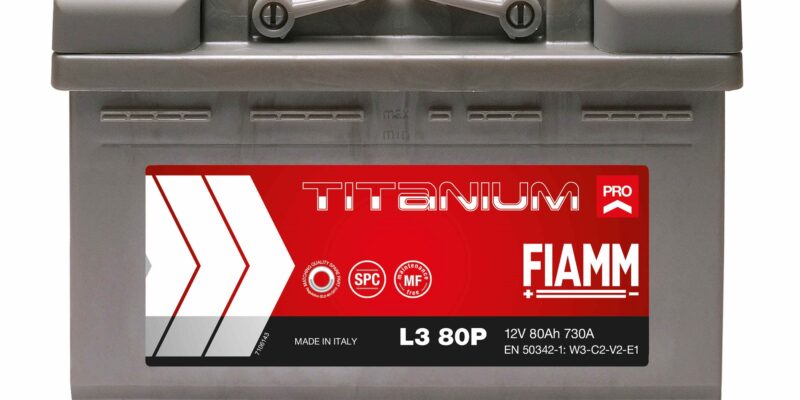
FIAMM Titanium Pro L3 80P automotive battery

How to Choose the Right Car Battery: Ah, CCA, Size & Terminal Layout

Choosing a Car Battery Is More Than Matching the Physical Size

A replacement battery needs to fit the vehicle physically and meet its electrical requirements. Choosing only by brand or approximate size can result in poor starting performance, installation problems or a battery that is not suited to the vehicle’s charging system.

The safest starting point is the vehicle manufacturer’s specification or the rating shown on the correctly specified original battery.

1. Confirm the Battery Voltage

Most passenger-car starting batteries use a 12-volt electrical system, but always confirm the vehicle requirement before replacement. Commercial vehicles and specialised equipment may use different system arrangements.

2. Check the Ah Capacity

Ampere-hours (Ah) indicate battery capacity. A higher Ah number does not automatically mean a battery is the correct replacement. The capacity should remain within the range suitable for the vehicle’s electrical and charging system.

Use the vehicle manufacturer’s recommendation when selecting the replacement capacity.

3. Understand CCA

Cold Cranking Amps (CCA) describe a battery’s ability to supply starting current under a defined low-temperature test condition. Engines with higher starting-current requirements generally need batteries with suitable CCA performance.

Do not replace a battery with one whose starting capability is below the vehicle manufacturer’s requirement.

4. Match the Physical Dimensions and Hold-Down

The battery must fit the tray correctly and be secured by the intended hold-down system. Check:

  • Length, width and height
  • Battery case or group size
  • Base hold-down arrangement
  • Clearance around the terminals and bonnet

A battery that is not secured correctly can move, vibrate or create a safety risk.

5. Check Terminal Position and Polarity

Two batteries can have similar dimensions while using different positive and negative terminal positions. Confirm the terminal layout before installation so the vehicle cables reach without stretching or crossing.

6. Consider the Vehicle Technology

Vehicles with start-stop systems or unusually high electrical loads may require a specific battery technology. Do not replace a specialised battery with a conventional type unless the vehicle manufacturer explicitly permits it.

FIAMM Titanium Pro Batteries from INER-G

INER-G supplies FIAMM Titanium Pro automotive starting batteries in Lebanon. The correct model should be selected according to the vehicle’s required capacity, CCA, dimensions and terminal arrangement.

What Information Should You Provide When Asking for a Battery?

For faster battery selection, provide:

  • Vehicle make, model and year
  • Engine type or displacement where relevant
  • Existing battery voltage and Ah rating
  • CCA rating if shown
  • Battery dimensions or case size
  • Terminal position
  • Whether the vehicle uses start-stop technology

Contact INER-G for Battery Selection Support »

Frequently Asked Questions

Can I install a battery with a higher Ah rating?

Not automatically. The replacement should remain appropriate for the vehicle’s charging system, battery tray and manufacturer requirements.

Is CCA the same as Ah?

No. Ah relates to capacity, while CCA is a measure of starting-current capability under a defined low-temperature test condition.

Can I choose a battery only by its dimensions?

No. Dimensions, voltage, capacity, starting performance, terminal layout and battery technology all need to be compatible with the vehicle.

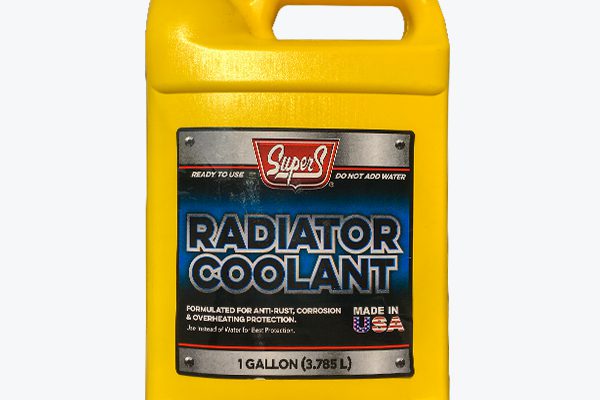
Radiator coolant and antifreeze for engine cooling systems

Coolant vs Antifreeze for Diesel Generators: What Matters?

Coolant and Antifreeze Are Part of Generator Reliability

A diesel generator’s cooling system has to control engine temperature, protect metal surfaces and remain effective throughout the service interval. Choosing the correct coolant or antifreeze is therefore more than a question of freeze protection.

The first rule is simple: use a coolant technology and concentration that meet the engine manufacturer’s requirements. Product colour alone is not a reliable way to determine compatibility.

What Is the Difference Between Antifreeze and Coolant?

Antifreeze commonly refers to a concentrated glycol-based product that contains corrosion-inhibitor chemistry. It is normally mixed with suitable water at a concentration specified by the engine or coolant manufacturer.

Coolant is the working fluid circulating through the engine cooling system. It may be supplied as a ready-to-use premix or prepared from antifreeze concentrate and water.

Always check whether the product is a concentrate or a premixed coolant before adding it to the system.

Why Coolant Chemistry Matters

A suitable generator coolant should help provide:

  • Heat transfer from the engine to the radiator
  • Corrosion protection for metals in the cooling circuit
  • Protection against freezing where required
  • Boiling-point protection at elevated operating temperatures
  • Compatibility with seals, hoses and other cooling-system materials

Different coolant formulations use different inhibitor technologies. Mixing incompatible products can reduce corrosion protection or create deposits. If the existing coolant chemistry is unknown, consult the engine manufacturer’s procedure before changing products.

Do Not Select Coolant by Colour Alone

Green, red, blue, orange and other colours are used by different manufacturers, but colour is not an industry-wide technical specification. Two products with the same colour can use different chemistry, while two differently coloured products may meet similar specifications.

Use the required standard, OEM specification and product technical data rather than colour as the selection criterion.

Water Quality and Concentration Are Important

When using a coolant concentrate, the quality of the dilution water can affect cooling-system performance. Minerals and contaminants in unsuitable water may contribute to scaling or deposits. Follow the coolant and engine manufacturer’s guidance for water quality and mixing concentration.

Too little or too much concentrate can also affect protection and heat-transfer performance. Do not assume that a stronger mixture is automatically better.

Check the Cooling System During Maintenance

Cooling-system maintenance should include inspection for leaks, hose condition, radiator condition and the correct coolant level. Where appropriate, coolant testing can help verify concentration and condition.

Never remove a pressurised cooling-system cap while the engine is hot. Follow the generator manufacturer’s safety and maintenance procedures.

Need Help Selecting a Generator Coolant?

INER-G supplies coolants, antifreeze and lubricants for power-generation and industrial applications. To identify a suitable product, provide the engine make and model, the manufacturer’s coolant specification and information about the product currently in the system.

Visit our Power Generation sector page or contact INER-G for technical product support.

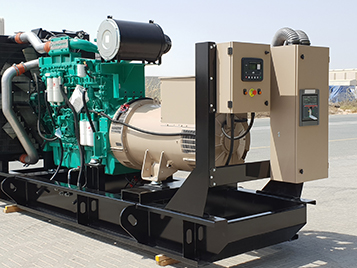
Diesel generator power generation application

How to Choose the Right Engine Oil for a Diesel Generator

Choosing Diesel Generator Engine Oil: Start With the Engine Requirements

The correct engine oil is an important part of diesel generator reliability. Generator engines may spend long periods on standby and then be required to accept load quickly, while other installations operate for extended periods. The lubricant therefore needs to match the engine manufacturer’s requirements as well as the actual operating environment.

There is no single oil specification that is correct for every generator. Before selecting a lubricant, always start with the engine manufacturer’s operation and maintenance manual.

1. Check the Recommended SAE Viscosity Grade

The SAE viscosity grade describes how an engine oil behaves at different temperatures. Common diesel-engine grades include SAE 15W-40 and other multigrade oils, but the correct choice depends on the engine design and the ambient-temperature range specified by the manufacturer.

In hot climates, ambient temperature is particularly important, but higher viscosity is not automatically better. Use the viscosity range approved for the specific engine.

2. Confirm the Required API or ACEA Performance Level

Viscosity alone does not define an engine oil. Diesel lubricants are also classified according to performance standards such as API and ACEA. These classifications relate to areas including wear control, deposit control, oxidation resistance and other performance requirements.

When comparing products, check that the lubricant meets or exceeds the performance level required by the engine manufacturer. OEM approvals or manufacturer-specific specifications should also be considered where applicable.

3. Consider How the Generator Actually Operates

A standby generator, a prime-power generator and a heavily loaded generator can have different operating profiles. Important factors include:

  • Typical engine load
  • Number of operating hours
  • Frequency of starts and stops
  • Ambient temperature
  • Dust and site conditions
  • Fuel quality
  • Manufacturer-prescribed service intervals

These conditions influence lubricant selection and maintenance planning. For critical installations, routine oil analysis can also provide useful information about lubricant condition and engine wear trends.

4. Follow the Correct Oil-Change Interval

A high-quality lubricant does not replace the engine manufacturer’s maintenance schedule. Oil and filter changes should be carried out at the prescribed interval, taking account of operating hours, calendar time and any severe-service conditions identified by the manufacturer.

Keeping accurate maintenance records is especially important for standby generators, which may accumulate relatively few running hours while the oil remains in the engine for long periods.

5. Treat the Cooling and Starting Systems as Part of Generator Reliability

Engine oil is only one part of generator maintenance. Correct coolant and antifreeze, clean filtration and a properly selected starting battery are also important to dependable operation. Using products that meet the equipment manufacturer’s requirements helps protect the complete system.

See INER-G’s Power Generation solutions for lubricants, coolants, antifreeze and battery products.

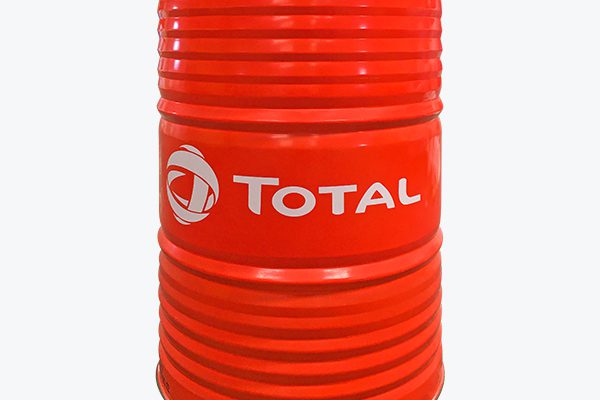
INER-G Lubric DM300 for Applicable SAE 15W-40 Applications

INER-G Lubric DM300 is a SAE 15W-40 heavy-duty diesel engine oil meeting API CI-4/SL and ACEA E7 performance levels. It can be considered for diesel engines where these viscosity and performance levels are specified by the engine manufacturer.

Always verify the required specification for the exact engine model before use.

Need Help Selecting a Generator Lubricant?

Provide INER-G with the generator engine make and model, application, operating environment and the lubricant specification shown in the manufacturer’s manual. Our team can help identify suitable products from the available range.

Contact INER-G for Technical Product Support »

Frequently Asked Questions

Can I choose generator oil based only on SAE viscosity?

No. The viscosity grade is only one requirement. The API, ACEA or OEM performance specification required by the engine manufacturer must also be checked.

Is SAE 15W-40 suitable for every diesel generator?

No. SAE 15W-40 is widely used in many diesel applications, but the correct grade depends on the specific engine and the manufacturer’s approved temperature range and performance specification.

Should generator engine oil be changed if the generator has low running hours?

Follow the engine manufacturer’s maintenance schedule. Many maintenance programs include both an operating-hours limit and a calendar-time limit, so low running hours do not necessarily mean the oil should remain in service indefinitely.