
 العربية
 English
 Français
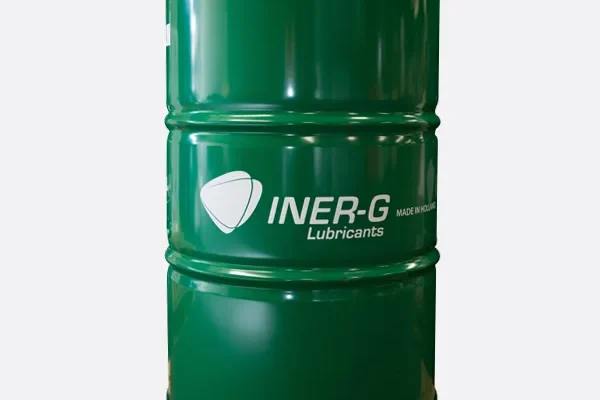
Quick answer: for most diesel generators, a coolant concentrate is mixed about 50/50 with clean demineralised or distilled water, unless the engine maker or the coolant label says otherwise. Ready-to-use (pre-mixed) coolant goes in as it is, with no extra water. Keep the concentration within the range the manufacturer specifies, even in a warm climate, because the antifreeze also carries the corrosion inhibitors that protect the engine.
Concentrate or ready-to-use? Check the label first
Coolants are sold either as a concentrate that must be diluted, or as a ready-to-use mix. Adding water to a ready-to-use coolant weakens it; filling an engine with undiluted concentrate is also wrong. The product label or specification sheet tells you which one you have and the dilution it recommends.
Why 50/50 is the usual starting point
A roughly equal mix of glycol-based concentrate and water is the most common recommendation because it balances freeze protection, boil-over protection and heat transfer, and keeps the inhibitor level high enough to protect metals, gaskets and the water pump. Many manufacturers allow a range around this (for example a lower minimum in hot regions and a higher share for very cold sites), but they also set a minimum concentration for corrosion protection. Follow the engine manual.
Do not over-concentrate
More antifreeze is not always better. Above the upper limit stated by the coolant or engine maker, a mix can give less freeze protection and poorer heat transfer, which can make an engine run hotter. Stay inside the recommended range.
Which water to use
Use demineralised or distilled water. Hard tap or well water contains minerals that can form scale in the cooling passages and use up the corrosion inhibitors faster. This matters in Lebanon, where much of the water supply is hard.
Does a generator in Lebanon really need antifreeze?
Yes. On the coast frost is rare, but generators in the mountains and the Bekaa can see freezing nights. More importantly, the coolant is what protects the cooling system against corrosion, cavitation and overheating all year round. Plain water should not be used. See Coolant vs Antifreeze for Diesel Generators.
Do not mix different coolant types
Coolants are built on different inhibitor technologies (for example OAT organic-acid coolants and older conventional types). Mixing them can reduce protection. When changing type, drain and flush the system and refill with one coolant. If you are unsure what is in the engine, ask the supplier or contact INER-G.
How to check the mix
- Use a coolant refractometer or a suitable hydrometer to read the freeze point or concentration.
- Check the level only with the engine cold, and top up with the same coolant at the same ratio.
- Look for signs of trouble: rust colour, oil in the coolant, sludge, or frequent top-ups (possible leak).
- Replace the coolant at the interval in the engine manual or on the coolant specification.
Example: INER-G ADVANTAGE Antifreeze OAT
INER-G ADVANTAGE Antifreeze OAT is sold as a concentrate, so it must be diluted with deionised or distilled water before use. Its specification sheet gives these typical values:
| Concentrate by volume | Freeze protection | Boiling point (minimum) |
|---|---|---|
| 33% | −18 °C | 108 °C |
| 40% | −26 °C | 108 °C |
| 50% | −37 °C | 111 °C |
Use at least 33% concentrate; mixtures above 70% are not recommended. Values are typical figures from the INER-G specification sheet (revised 6 November 2026); always follow the engine manufacturer’s requirement.
INER-G supplies long-life OAT coolant such as INER-G ADVANTAGE Antifreeze OAT and other coolants and antifreeze in Lebanon. For engine oil, see How to Choose Engine Oil for a Diesel Generator.
Not sure which oil you need? Use our lubricant selector: pick the application, then match the grade and performance level. Open the selector »
Frequently Asked Questions
What is the normal antifreeze to water ratio for a generator?
For a concentrate, about 50/50 with demineralised or distilled water is the usual starting point. Always follow the engine manual and the coolant label.
Can I add tap water to the coolant?
It is better not to. Tap and well water can be hard and cause scale. Use demineralised or distilled water, and do not add water to a ready-to-use coolant.
Is more antifreeze better in hot weather?
No. Too much concentrate can reduce heat transfer. Stay within the range the manufacturer recommends.
Can I mix two different coolants?
Avoid it. Different inhibitor technologies may not work well together. Drain and flush before changing coolant type.