 العربية
 English
 Français
Quick answer: follow the interval in the vehicle or equipment manual, and shorten it for severe service: heavy loads, towing, hot climate, dusty roads, stop-and-go city traffic or off-road work. Some gearboxes are described as “filled for life”, but in hard use many workshops still change the fluid. Use exactly the fluid type the manufacturer specifies.
Manual gearbox oil
Manual gearboxes use gear oil, usually a multigrade such as 75W-90, 80W-90 or 85W-90. Change intervals vary widely between manufacturers and are often much longer than engine-oil intervals, but they become shorter in severe service. Change the oil sooner if shifting becomes stiff or noisy, or after water has entered the gearbox.
Differential and axle oil
Differentials and axles carry heavy loads and usually need an extreme-pressure gear oil, often 80W-90 or 85W-140. Trucks, 4×4s and equipment that tow, carry heavy loads or work in water and mud need more frequent changes. Limited-slip differentials may need oil with a special friction additive.
GL-4 and GL-5 are not interchangeable
- API GL-5 is for hypoid gears in heavily loaded axles and differentials.
- API GL-4 is used in many manual gearboxes. Some gearboxes with yellow-metal (brass/bronze) synchronisers require GL-4, and a GL-5 oil may not suit them unless the oil is approved for both.
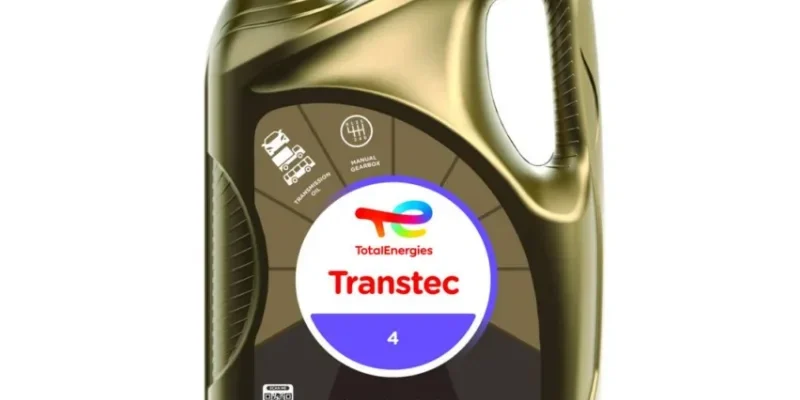
Examples: TotalEnergies Transtec 4 85W-90 (GL-4) and Transtec 5 85W-140 (GL-5). See all gear oils.
Automatic transmission fluid (ATF)
ATF cools, lubricates and transmits power in automatic gearboxes. Heat is its main enemy, so city traffic, towing and Lebanese summers age it faster. Many manufacturers give one interval for normal use and a shorter one for severe use. Use the exact specification required (for example DEXRON, MERCON or a manufacturer-specific fluid).
CVT fluid
Continuously variable transmissions need a dedicated CVT fluid with the right friction properties; a standard ATF is not a substitute unless the maker approves it. See ATF vs CVT Fluid: What Is the Difference? and our automatic transmission and CVT fluids.
Warning signs that fluid needs attention
- Harsh, slipping or delayed gear changes
- Whining or grinding noises
- Leaks under the vehicle
- Dark fluid with a burnt smell (automatic transmissions)
- Overheating warnings
Low fluid level is a common cause; check the level the way the manual describes (some automatics are checked hot with the engine running, many modern ones have no dipstick and need a workshop).
Not sure which oil you need? Use our lubricant selector: pick the application, then match the grade and performance level. Open the selector »
Frequently Asked Questions
How often should gear oil be changed?
Use the interval in the vehicle or equipment manual and shorten it for heavy loads, towing, heat, dust or off-road use.
Can I use GL-5 gear oil instead of GL-4?
Not always. Some manual gearboxes with yellow-metal synchronisers require GL-4. Use GL-5 only where the manufacturer allows it or the oil is approved for both.
Is transmission fluid really “lifetime”?
Some manufacturers specify no regular change in normal use, but heat and severe service age the fluid. Check the manual’s severe-service schedule.
Can I use ATF in a CVT?
No, unless the manufacturer approves it. CVTs need a dedicated CVT fluid.